Avoid common problems with bulk rubbish removal in West Kensington
Posted on 23/06/2026
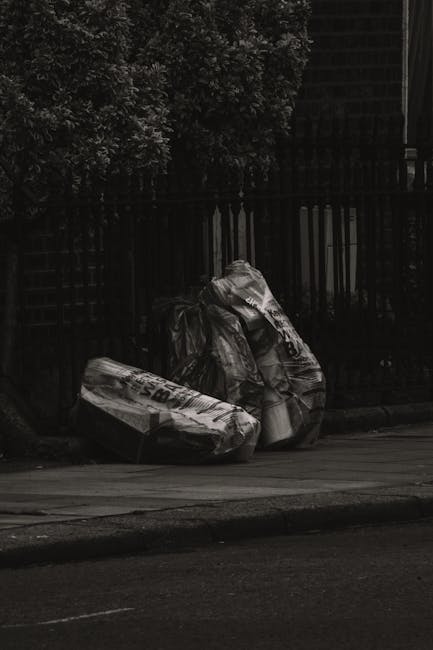
If you are planning a clear-out, a move, or a renovation, bulk rubbish removal in West Kensington can save a huge amount of time. It can also go wrong in very ordinary ways: unclear pricing, missed access details, awkward collections, and waste that turns out to need special handling. That is the bit people do not always think about until the bags are already stacked by the door.
This guide is here to make the process simpler, calmer, and a lot less messy. You will find practical ways to avoid common problems with bulk rubbish removal in West Kensington, plus a few local realities that matter in a busy part of London. The aim is straightforward: less stress, fewer surprises, and a smoother collection from start to finish.
Why Avoid common problems with bulk rubbish removal in West Kensington Matters
Bulk rubbish removal sounds simple: you have more waste than a normal bin collection can handle, and you need it cleared quickly. In practice, the details matter. West Kensington has a mix of flats, terraces, managed buildings, and busy streets, so access can be tight and timing can be awkward. One missed detail can mean a delayed pickup, extra labour, or a collection that simply does not happen on the day.
There is also the issue of waste type. A pile of old furniture, broken shelving, renovation offcuts, and a fridge or mattress may all sit under the same umbrella in everyday speech, but they are not always handled the same way. If you are clearing waste from a flat near a narrow stairwell or a basement office with limited lift access, those distinctions start to matter very quickly.
To be fair, most problems are avoidable. A little planning before you book usually prevents the classic headaches: underestimating volume, forgetting restricted access, not checking what is excluded, and assuming the cheapest quote will somehow stay cheap. If you have ever stood in a hallway at 7:30 in the morning wondering whether two bulky wardrobes will fit through the front door, you already know the kind of thing we mean.
Expert summary: The easiest way to avoid bulk waste issues is to treat the job like a small project: identify the waste, check access, confirm the booking details, and make sure the disposal method suits the items you are moving.
For local context and property-related planning in the area, it can also help to browse some of the site's wider Kensington content, such as local perspectives on Kensington living and the guide to property transactions in Kensington. Not because waste removal is the same as property work, obviously, but because many bulk clearances happen around moves, refurbishments, and handovers.
How Avoid common problems with bulk rubbish removal in West Kensington Works
The process is usually more straightforward than people expect, but only if you give the provider enough accurate information. A normal bulk rubbish removal job tends to follow a simple pattern: you describe the waste, the team estimates the load, collection is scheduled, and the items are taken away for sorting, reuse, recycling, or disposal.
What changes the experience is the quality of the preparation. A good collection needs details such as the number of items, whether anything is heavy or awkward, whether access involves stairs, parking limits, loading restrictions, or timed entry, and whether any items need special handling. If those points are vague, the quote may be vague too. And vague is rarely what anyone wants on moving day.
In West Kensington, access is often the quiet challenge. A collection from a ground-floor shop unit near a main road is very different from a top-floor flat with no lift. Even the distance from the van to the waste pile can affect how long the job takes. That is why clear communication at the beginning is not just helpful; it is practically the whole game.
If you want a broader overview of what a professional waste service can include, the services overview is a useful place to start. And if you are comparing how different waste streams are handled, it may also help to read about recycling and sustainability, since sorting and diversion from landfill are part of modern waste management expectations.
What normally happens on the day
- The collection window is confirmed and any access notes are checked.
- The team arrives, assesses the load, and confirms what is being taken.
- Bulky items are removed safely, with care for walls, floors, and shared areas.
- Waste is loaded for sorting and further processing.
- You should receive a clear handover, invoice, or booking confirmation as agreed.
That simple framework is often enough. Problems usually begin when one of those steps is assumed rather than confirmed.
Key Benefits and Practical Advantages
When bulk rubbish removal is well organised, the benefits are immediate. You free up space, reduce safety hazards, and avoid the drawn-out process of trying to break down or transport awkward waste yourself. In a London property, that can mean reclaiming a hallway, getting a room ready for decorating, or clearing a site before trades arrive. Small win, big relief.
There is also a practical financial upside. A good plan reduces the chance of paying for a second visit, extra labour, or an upgraded load size because the original estimate was too low. The cheapest initial quote is not always the best value if it leaves out access issues or the handling of specific items.
Another benefit is compliance. A proper collection route helps keep you on the right side of waste handling expectations, especially if you are disposing of appliances, mixed renovation debris, or commercial clear-out material. You do not need to become an expert in waste regulations overnight, but you do need enough understanding to avoid mistakes that are easy to prevent.
- Time saved: no repeated trips to recycling centres or awkward lift-and-carry runs.
- Lower risk of damage: professionals are used to moving large items through tight spaces.
- Better sorting: reusable and recyclable items can be separated where appropriate.
- Less disruption: collections can be planned around building access, neighbours, and work schedules.
- Cleaner finish: the space is ready for its next use without leftover clutter.
If your clearance is connected to a larger project, such as an office move or a tenancy turnaround, the related pages on office clearance in West Kensington and house clearance in West Kensington can be useful references for understanding typical service scope.
Who This Is For and When It Makes Sense
Bulk rubbish removal is not only for major renovations. It is useful any time you have more waste than a standard bin or routine collection can reasonably handle. That might be a landlord clearing a flat between tenancies, a homeowner replacing furniture, a small business emptying stockroom clutter, or someone finally tackling the loft that has become a museum of forgotten boxes.
It tends to make most sense when time, access, or waste volume make DIY disposal inefficient. If you have three wardrobes, a broken freezer, and a few bags of mixed rubbish, you can spend half a day arranging transport, lifting heavy pieces, and figuring out where each item should go. Or you can sort it once and have it removed properly. Usually the second option is the one people choose after the first option has already taken a toll.
West Kensington also has a lot of mixed-use and rental property activity, so bulk waste removal often comes up during:
- end-of-tenancy clear-outs
- pre-sale or pre-let property preparation
- home renovations and decorating work
- office relocations or refurbishments
- garden makeovers and shed clearances
- post-event tidy-ups
- loft, basement, and storage room decluttering
For landlords, agents, and property managers, the pace can be unforgiving. If you need a quick turnaround, the article on affordable West Kensington waste removal for landlords and agents gives a good sense of how these jobs are usually approached.
Step-by-Step Guidance
A methodical approach is the easiest way to avoid the common snags. Here is a practical way to handle a bulk rubbish removal booking without turning it into a mini crisis.
1. Identify exactly what needs removing
Walk through the property and split the waste into rough categories. Furniture, appliances, builders' waste, general rubbish, garden waste, and anything potentially hazardous should be separated in your head at least, and ideally on paper. The more specific you are, the better the quote and the smoother the removal.
2. Estimate the volume honestly
People naturally underestimate volume. A couple of armchairs, a table, and some bags can look manageable until they are all in the same room together. Try to think in terms of half loads, full van loads, or item counts if the provider uses that style of pricing. Be realistic. It saves arguments later.
3. Check access before booking
Note any stairs, narrow entrances, lift restrictions, parking issues, permits, loading bays, or timed entry rules. If the team has to carry waste a long way or deal with restricted access, it affects the job plan. A five-minute access check can prevent a fifty-minute delay.
4. Confirm what is included
Make sure the quote covers labour, loading, disposal, and any likely extras. If a fridge, mattress, plasterboard, or mixed waste needs special handling, ask about it directly. This is where people often get caught out, so do not rush it.
5. Prepare the waste properly
Move items into one place where possible, but do not overdo it if that creates a safety issue. Keep walkways clear. Separate items that must not be mixed. If there are valuables, documents, or reusable items you want to keep, remove them first. Sounds obvious, yet it is astonishing how often a charging cable, a folder, or a remote control is left under a pile of old cushions.
6. Stay available on the day
Keep your phone handy and be ready to answer access questions. Sometimes the team will need a gate code, a concierge check-in, or quick confirmation about what is staying and what is going. That small bit of availability can make the whole job feel effortless.
For related collection planning around local routes and busy streets, the article on rubbish collection on North End Road and Lillie Road is a useful local read.
Expert Tips for Better Results
In practice, the best results usually come from good preparation rather than luck. A few simple habits go a long way.
- Take photos before you book. This helps with accurate quoting and avoids misunderstanding about load size.
- Separate special items early. Appliances, paint tins, and awkward materials need a different conversation from a pile of mixed household rubbish.
- Measure large furniture if the route is tight. A sofa that fits in the room may still be a headache on the staircase.
- Ask about timing flexibility. If your building has a quiet window or concierge rules, confirm them well before the day.
- Check whether reusable items can be diverted. Not everything needs to go straight to disposal if it still has life left in it.
- Keep one person in charge. Too many voices on-site can slow decisions. One contact, one plan, done.
A small human note here: the smoothest collections are usually the boring ones. No drama, no scrambling, no last-minute "actually, that shelf is staying." Just a clean sequence of decisions and a quiet finish.
If you want reassurance around service standards and operational care, the pages on insurance and safety and waste carrier licence and compliance are worth a look before you book anything important.
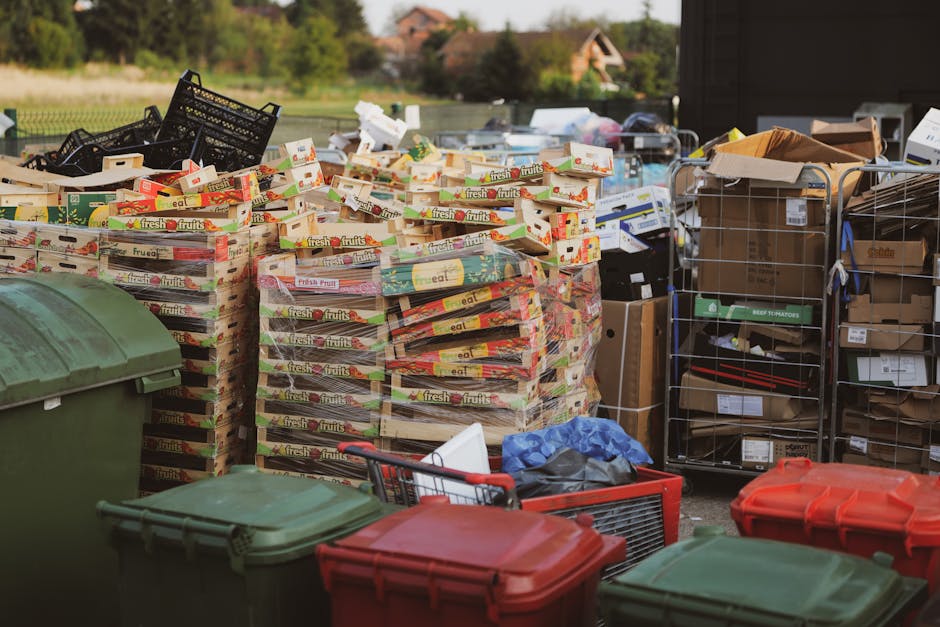
Common Mistakes to Avoid
This is where most avoidable problems live. The good news? They are usually simple to sidestep once you know what to look for.
1. Booking on price alone
A low number can be attractive, especially if the pile in question is staring at you from the corner and you just want it gone. But if the quote is thin on detail, the final bill can be less friendly than expected. Ask what is included and what may trigger a surcharge.
2. Forgetting access restrictions
This is one of the most common causes of delay. If parking is difficult, if there is no lift, or if the collection point is on a narrow road, say so upfront. Do not assume the crew will magically know. They won't. They are good, not psychic.
3. Mixing everything together
Some waste streams need separate handling. If you toss builders' debris, old electronics, and general rubbish into one unsorted pile, it may complicate the job. A bit of sorting can save time and keep the collection compliant.
4. Leaving the sort-out until collection day
Collection day is too late for decisions about what should stay and what should go. If you have not checked the loft, cupboard under the stairs, or the back of that storage room, do it before the van arrives.
5. Ignoring building rules
Many flats and managed buildings have rules around loading, lift use, waste storage, or collection hours. Breaking those rules can create friction with neighbours or building managers. Not exactly ideal at 8 a.m. on a weekday.
6. Assuming every item is standard waste
White goods, upholstered furniture, and certain renovation materials may need different treatment. If in doubt, ask. It is much better to be slightly over-cautious than to have the job paused while someone tries to work out what to do with a tangled mix of items.

Tools, Resources and Recommendations
You do not need complicated tools to organise bulk rubbish removal, but a few simple things make the process smoother:
- a phone camera for photos and item lists
- a tape measure for bulky furniture and tight access points
- bin bags or labelled boxes for small loose waste
- a checklist for items that must stay in the property
- basic gloves and safe footwear if you are moving items yourself
- a pen and note app for access instructions, codes, and timings
It also helps to make use of the information already available on the site. The pages on pricing and quotes and payment and security are practical reading if you are comparing providers and want a clearer picture of how booking and payment are handled.
If your clear-out involves old sofas, cabinets, or mixed household furniture, the related service pages for furniture removal and furniture disposal can help you think through the right approach. For mixed domestic waste, the domestic waste collection page is a useful comparator.
Law, Compliance, Standards, or Best Practice
Waste removal is practical work, but it is also a regulated area in the UK. You do not need to memorise legislation to make a decent booking, yet it is sensible to understand the basics. At minimum, use a legitimate waste carrier, make sure the waste is being taken to an appropriate facility, and do not hand over material to someone whose setup feels vague or casual.
That last point matters more than people sometimes realise. If waste is fly-tipped after you paid someone to remove it, the original producer of the waste may still face questions. That is why checking compliance is not overthinking it. It is basic due diligence.
Best practice also means being honest about the waste type. If you have items that may be hazardous, need specialist handling, or are likely to fall outside normal mixed-load removal, disclose them early. The provider can then tell you what is possible and what is not. It saves everyone a bad afternoon.
For a deeper look at the company's standards and responsibilities, the pages on waste carrier licence and compliance, insurance and safety, and privacy policy are useful trust signals. And if sustainability is part of your decision-making, the recycling and sustainability page is worth a read too.
Options, Methods, or Comparison Table
There is more than one way to handle bulk rubbish. The right choice depends on how much waste you have, how awkward it is, and how quickly you need it gone.
| Method | Best for | Pros | Watch out for |
|---|---|---|---|
| Professional bulk rubbish removal | Large mixed loads, furniture, and time-sensitive clear-outs | Fast, convenient, less lifting for you | Needs accurate details and clear access notes |
| DIY hire and self-loading | People with time, transport, and enough physical capacity | More control over sorting and timing | Heavy lifting, permits, disposal planning, multiple trips |
| Mixed house clearance service | Whole-property clearances and inherited contents | Good for larger, more varied jobs | May not suit a small or simple bulk load |
| Specialist item disposal | White goods, appliances, or hard-to-handle items | Better handling for specific waste streams | Not ideal for mixed general rubbish |
As a rule, if you are dealing with awkward access, heavy items, or a lot of mixed material, professional removal is usually the least stressful route. DIY sounds cheaper, but once you add time, effort, parking, and multiple disposal steps, the savings can disappear pretty fast.
If you are still deciding which type of service fits, the waste clearance in West Kensington page is a sensible umbrella reference. For more specialised jobs, you may also want to compare builders waste disposal and white goods and appliance disposal.
Case Study or Real-World Example
Imagine a small West Kensington flat being prepared for new tenants. The previous occupier has left a broken chest of drawers, two office chairs, a mattress, assorted kitchen clutter, and a bag of loose odds and ends in the hallway. Nothing dramatic. Just enough to be annoying.
The first instinct might be to book "a rubbish collection" and hope for the best. But that is exactly how misunderstandings happen. If the provider only hears "a few items," they may arrive expecting a small load and find a full hallway. If they are not told about the mattress or the awkward stairwell, the collection could take longer than planned. If parking is tight and the collection window is during a busy part of the day, it gets even more complicated.
A better approach is to send photos, list the items by type, explain the access route, and flag the mattress separately. The team can then plan the right vehicle size, time allowance, and handling method. The job gets done in one go, the hallway is clear, and the property can be cleaned and relisted without delay. Simple, really. Not glamorous, but simple.
That is also why local route awareness matters. A collection near a busy road, or close to a station area during peak footfall, benefits from tighter timing and better coordination. For context, the articles on same-day waste clearance near West Kensington Station and the Olympia venues rubbish removal guide show why location-specific planning can make a real difference.
Practical Checklist
Use this before your booking. It is the kind of checklist that saves a headache later, which is worth its weight in tea.
- Have I identified every item that needs removing?
- Have I separated special items such as appliances, mattresses, or builders' waste?
- Have I taken photos or written a clear description?
- Have I checked stairs, lifts, parking, and access restrictions?
- Have I confirmed the collection window and any building rules?
- Do I know what is included in the price?
- Have I asked about possible extras?
- Have I removed valuables, documents, and items I want to keep?
- Have I made a safe route for moving waste out of the property?
- Have I chosen a provider that can explain compliance and disposal clearly?
If you can tick all of those off, you are in good shape. If not, sort the gaps first. It will almost always be worth the few extra minutes.
Conclusion
Avoiding common problems with bulk rubbish removal in West Kensington comes down to clarity, planning, and a bit of local common sense. Know what you are removing, understand the access, ask about pricing properly, and make sure the collection method suits the waste itself. Those small steps protect your time, your budget, and your sanity.
West Kensington has plenty of properties where bulky waste can become awkward quickly, especially when stairs, parking, and tight schedules are involved. The good news is that the process does not need to be stressful. With the right preparation, it is usually one of those jobs that feels much bigger before it starts than after it finishes.
If you are comparing options, reviewing service details, or simply want a cleaner path to booking, take a look at the relevant pages already linked above and choose the route that feels most practical for your situation. A little care now usually means a much smoother day later on. And honestly, that is a nice feeling.
Get a free quote today and see how much you can save.

 Tipper Van - Rubbish Removal and Garden Waste Disposal Prices in West Kensington, W14
 Luton Van - Rubbish Removal and Garden Waste Disposal Prices in West Kensington, W14