












21/10/2026
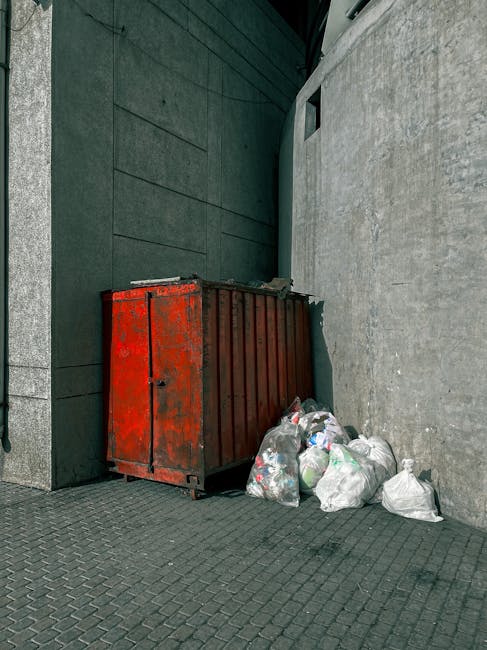
If you have a few bags of rubbish, a broken chair, flat-pack packaging, or a small pile of...
Waste Disposal West Kensington provides waste disposal in West Kensington with a straightforward service for household clearances, commercial rubbish, bulky items and other mixed loads that need to be removed responsibly. We focus on clear collections, sensible sorting and practical disposal options that suit the space, access and type of waste involved. If you need a tidy, dependable way to clear unwanted items, this homepage sets out the main services and how to request a quotation.
Our work is designed around the realities of the area: shared entrances, compact storage, busy roads, upper-floor properties and changing needs for residents, landlords and local businesses. That means choosing the right collection method matters as much as the load itself. From single-item removals to fuller clearances, the aim is to make disposal organised and proportionate, not overcomplicated. See the service overview for a wider view of the disposal and clearance work we offer.
For many customers, the key decision is whether the waste is best handled as a small collection, a room-by-room clearance or a more specific service for furniture, appliances or builders’ waste. We can support different load sizes and different property types, and we aim to keep the service practical from the first enquiry through to completion. If you are comparing options, you can also review our pricing information before asking for a quotation.
Household waste disposal in West Kensington often involves a mix of items rather than one neat category. Bags, broken furniture, tired household goods, cardboard, clutter from storage areas and general rubbish can all appear in the same clearance. A sensible service should separate what can be handled together from what needs special treatment, and it should deal with the load in a way that leaves the property usable again.
This can be especially useful where access is limited or where items have been accumulated over time. Flats, maisonettes and shared buildings often benefit from a careful removal plan that keeps hallways and communal areas clear while work is carried out. House clearance is a useful option when the task is broader than a simple pick-up and needs more complete sorting inside the property.
Some customers only need a fast clear-out of loose rubbish and don’t need a full room-by-room service. In those cases, rubbish collection can be a straightforward way to remove bagged waste, small bulky items and mixed refuse without arranging something more involved. It is often a practical choice when the material is already gathered and ready for loading.
Bulky items need more thought than light bagged waste because weight, size and handling all affect the job. Sofas, wardrobes, beds, cabinets and other large household pieces may need to be dismantled or moved carefully through narrow routes. Appliance removal adds another layer, particularly where white goods contain materials that should not simply be mixed with general rubbish.
For customers replacing several items at once, it is often helpful to combine furniture disposal with appliance disposal so the load is dealt with in one visit rather than split across separate arrangements. Furniture removal suits items that are still intact but no longer needed, while white goods and appliance disposal is better for fridges, washing machines, cookers and similar equipment that needs careful handling.
A useful quote is usually based on the item type, volume, weight and the ease of moving it out of the property. If the load includes awkward stairs, tight corners or items that need partial dismantling, those details help determine the right approach. Clear item lists and honest access notes make the arrangement more accurate and reduce unnecessary delays later.
Businesses in West Kensington can generate waste that looks simple on the surface but quickly becomes more complicated when desks, packaging, shelving, files and broken fixtures are all involved. Office waste disposal needs a service that can clear work areas without turning an operational space into a disorderly one. That usually means planning around access, building rules and the type of material present.
Commercial premises may need an organised approach for shop fittings, redundant stock, paper waste, furniture and mixed office clutter. Office clearance is suited to larger internal clearances where workstations, storage items and general contents need attention together, while commercial waste removal works well when the main need is the repeated or occasional removal of business waste rather than a full clear-out.
When a business is reorganising, closing a unit or replacing fit-out items, the right service can make the process more orderly and keep the remaining space workable. Commercial waste is not just a matter of volume; it is also about sorting useful material from broken or obsolete items and removing everything in a way that fits the premises. If you need help deciding which service matches the job, a quotation request can follow once the main waste types are known.
Renovation and refurbishment work creates a different kind of disposal challenge. Offcuts, rubble, packaging, plasterboard, wood, broken fixtures and old fittings all build up quickly, and the right removal method depends on what has actually come off the job. Builders’ waste disposal should be practical, tidy and suitable for the access available at the property or site.
Some loads are best handled as mixed construction waste, while others may need separating because of material type or disposal rules. Builders’ waste disposal is the most relevant service when there is renovation debris, stripped-out fittings or general building refuse that should be removed once the job reaches a sensible stage. This helps keep the site clear and reduces the risk of materials being left to accumulate.
Price can vary according to the amount of waste, the heaviness of the load and the time needed to move it from the point of origin to the collection vehicle. Access is often important with building waste, especially where items are stacked in rear yards, upper floors or tight service areas. For a more precise estimate, please ask for a quotation after outlining the waste type and the job location.
Outdoor disposal needs are often seasonal, but they can arise at any time. Cuttings, branches, soil, turf, bagged green waste, damaged garden furniture and old planters all require different handling. Garden waste disposal is most effective when the materials are separated enough to make loading efficient and the disposal route clear.
For properties with small outside areas, waste can build up around sheds, side returns and courtyards without taking up much visible space at first. Garden waste removal is a useful option when the material is mainly organic or outdoor-related and needs to be taken away after pruning, clearing or tidying. It can also help when old outdoor items are mixed in with green waste and need to be removed together.
A sensible approach is to describe the material by type, not just by volume. A few heavy bags of soil are different from a pile of light branches, and both are different again from mixed outdoor rubbish. That distinction affects loading, sorting and disposal. If you are preparing a request, one useful step is to note whether the waste is dry, bulky, loose or bagged before sending details.
West Kensington is a district in the Royal Borough of Kensington and Chelsea, on the western edge of inner London, with boundaries that sit close to neighbouring Hammersmith, Fulham and Earl’s Court. The area is shaped by a mix of residential streets, transport links and large cultural or exhibition uses nearby. Barons Court station, just to the north-west of the district, and West Kensington station help define how people move through the area, while the A4 corridor runs nearby and reinforces the sense of a busy, well-connected part of London. Much of the local character comes from late nineteenth- and early twentieth-century terraced housing, mansion blocks and mansion-style apartment buildings, which give the streets a compact urban feel. Around the district, the older street pattern is interrupted by later redevelopment and by larger institutional footprints, including the edge of the Olympia exhibition complex and the broader mix of commercial sites that serve west London. The area also sits within easy reach of several important cultural destinations, from the museums of South Kensington to the performance and event venues spread across neighbouring Kensington and Hammersmith. Green space is not absent either: smaller squares, communal gardens and the nearby parks of the wider borough provide contrast to the denser residential streets. Taken together, West Kensington is a place where transport, housing, commerce and cultural life meet in a relatively small geographic area, producing a layered urban landscape rather than a single-purpose suburb.
When a property or business needs clearing, there are usually a few practical steps that help the job run smoothly. First, identifying the main waste types makes it easier to decide whether the load is mainly furniture, general rubbish, appliances, construction debris or something more mixed. Second, access information is worth checking carefully, especially where buildings have stair-only routes, controlled entrances, shared halls or limited parking. Third, it helps to separate anything that should be kept, reused or set aside before the clearance begins. These simple details make the arrangement more precise and can reduce avoidable handling on the day. They are especially useful in compact urban settings where a load may need to be carried through communal areas or down narrow internal routes. If there are large or awkward items, it is sensible to mention whether dismantling or extra handling will be needed. A clear request is usually easier to quote accurately than a vague one, and it allows the disposal method to be matched to the material rather than forced into a generic solution. For customers comparing options, a short written description often provides enough detail to move from an initial estimate to a proper quotation with less back-and-forth.
Use the service that fits the waste, then contact us for a quotation when you are ready to arrange collection in West Kensington.
Different properties create different disposal needs, even when the waste itself seems similar. A flat with lift access may suit one kind of collection, while a house with a basement or top-floor storage area may require another. The best disposal choice depends on the volume of waste, the route out of the building and the mix of items involved. A thoughtful approach avoids unnecessary disruption and keeps the removal practical.
For lighter mixed loads, a straightforward collection may be enough. For larger contents, a room-by-room or whole-property service can be more appropriate. Waste clearance is a good general option when the material does not sit neatly within one specialist category and needs an all-round solution. It can cover many common situations without forcing the customer to split the job into separate smaller tasks.
One useful way to choose is to compare how much sorting you have already done. If waste is bagged, separated and easy to reach, a simpler collection may be enough. If the property still contains mixed contents, a fuller clearance may save time and effort overall. Choosing the least complex service that still fits the load is usually the most sensible place to start.
Quotation requests are easier to assess when they reflect the real shape of the job. The main factors are usually the type of waste, the total amount, the weight of heavy items and the access needed to move everything out. Items that require separate handling, such as appliances or construction debris, may influence the quote because they affect sorting and disposal routes. The more accurate the description, the better the estimate can reflect the work involved.
Useful supporting details include whether the waste is already in bags, whether there are items to dismantle, whether parking or entry restrictions apply and whether the collection involves one room or several areas. You do not need to write a long account, but a short factual summary helps. If you are deciding between a simple collection and a fuller clearance, pricing and quotes explains the kind of information that is usually relevant to the arrangement.
For many customers, the simplest approach is to group the job by category and note anything unusual once. That way, the arrangement can be assessed without unnecessary complexity. If the waste includes items of different kinds, it is fine to mention that a mixed load is involved, provided the main contents are clear. Then the final step is straightforward: send a concise request and ask for a quotation based on the actual items and access.
Responsible disposal matters because not every item can be treated the same way. A reliable waste service should sort loads carefully, separate reusable or recyclable materials where appropriate and handle restricted items through the correct route. That approach reduces the chance of everything being treated as generic rubbish and helps the overall disposal process remain orderly.
Compliance is also part of the service, especially where customers want reassurance that waste is being managed properly. Recycling and sustainability covers the broader disposal approach, while waste carrier licence and compliance is the relevant page for those who want to understand the standards behind the service. These pages are useful when customers need a clearer view of how disposal is handled beyond the collection itself.
Payment and practical administration matter too, but they should stay secondary to the actual waste job. Payment and security is available for customers who want to review that side of the arrangement before proceeding. Once the service type is clear, a quotation can be requested with the main waste details and access information kept in one concise message.

GET A FREE QUOTE
Too sick to move junk? Our team is here to help you out!
We are the waste disposal West Kensington company to call when you need any kind of help with your rubbish. Call us today!
 Tipper Van - Rubbish Removal and Garden Waste Disposal Prices in West Kensington, W14
| Space іn the van | Loadіng Time | Cubіc Yardѕ | Max Weight | Equivalent to: | Prіce* |
| Minimum Load | 10 min | 1.5 | 100-150 kg | 8 bin bags | £90 |
| 1/4 Load | 20 min | 3.5 | 200-250 kg | 20 bin bags | £160 |
| 1/2 Load | 40 min | 7 | 500-600kg | 40 bin bags | £250 |
| 3/4 Load | 50 min | 10 | 700-800 kg | 60 bin bags | £330 |
| Full Load | 60 min | 14 | 900-1100kg | 80 bin bags | £490 |
*Our rubbish removal prіces are baѕed on the VOLUME and the WEІGHT of the waste for collection.
 Luton Van - Rubbish Removal and Garden Waste Disposal Prices in West Kensington, W14
| Space іn the van | Loadіng Time | Cubіc Yardѕ | Max Weight | Equivalent to: | Prіce* |
| Minimum Load | 10 min | 1.5 | 100-150 kg | 8 bin bags | £90 |
| 1/4 Load | 40 min | 7 | 400-500 kg | 40 bin bags | £250 |
| 1/2 Load | 60 min | 12 | 900-1000kg | 80 bin bags | £370 |
| 3/4 Load | 90 min | 18 | 1400-1500 kg | 100 bin bags | £550 |
| Full Load | 120 min | 24 | 1800 - 2000kg | 120 bin bags | £670 |
*Our rubbish removal prіces are baѕed on the VOLUME and the WEІGHT of the waste for collection.
%MCEPASTEBIN%
If you have a few bags of rubbish, a broken chair, flat-pack packaging, or a small pile of...

If you live in, manage, or lease a flat in one of West Kensington's estates, rubbish removal can...
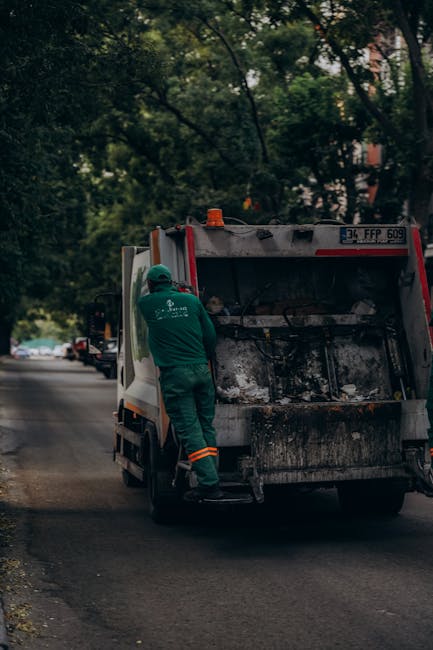
If you need waste taken away in West Kensington, the words licensed, insured, and certified are...
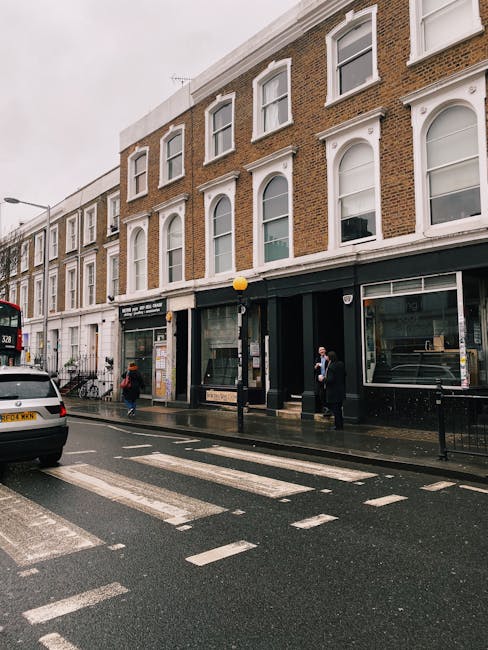
West Kensington flat conversions can be charming, awkward, and a little bit chaotic all at once.
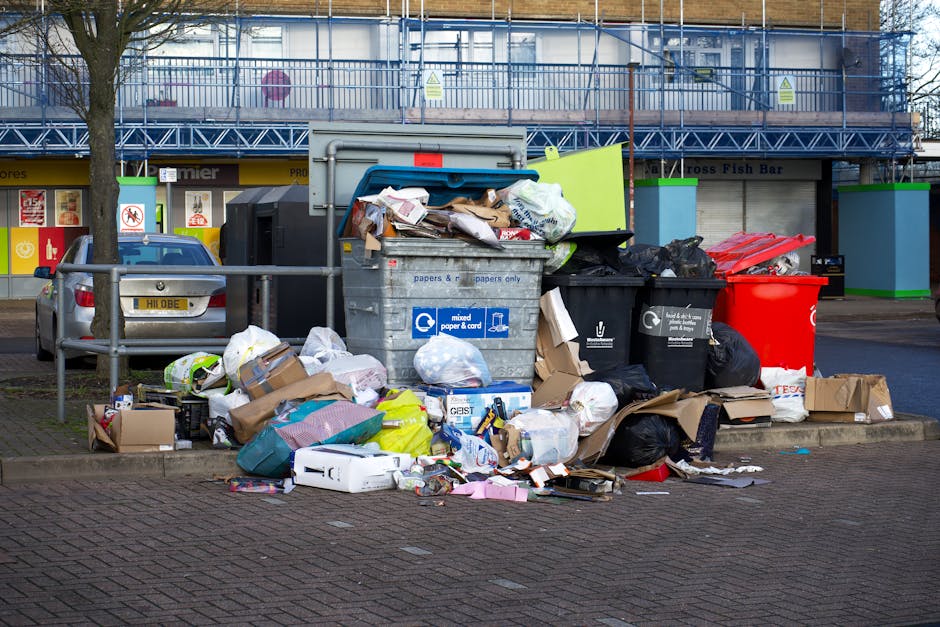
If you need rubbish gone today, the price matters almost as much as the speed.
If you need rubbish gone quickly in West Kensington, the last thing you want is a slow...
If you are planning a clear-out, a move, or a renovation, bulk rubbish removal in West Kensington...

If you live, work, rent, or manage property in West Kensington, rubbish rules can feel...
If you are arranging rubbish removal in West Kensington, the headline price can look tidy enough.

If you manage rentals in West Kensington, you already know how quickly rubbish can become a problem.

If you live, work, manage a property, or run a business near North End Road or Lillie Road,...
If you're dealing with a pile of bags, a broken wardrobe, builders' rubble, or the kind of...

 (80)
(80)