Licensed waste removal West Kensington insured and certified
Posted on 04/10/2026
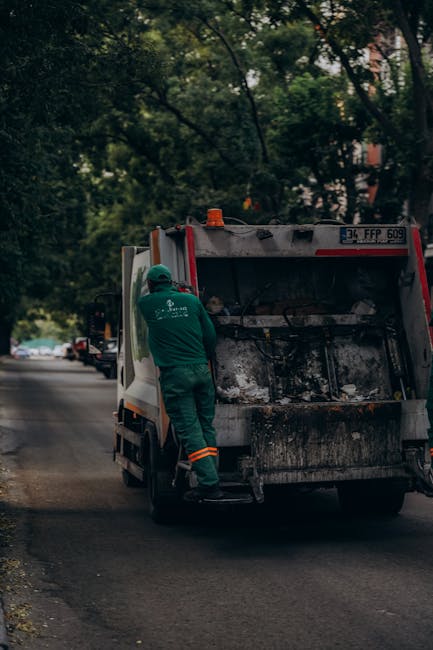
If you need waste taken away in West Kensington, the words licensed, insured, and certified are not just nice-to-haves. They are the difference between a job that is handled properly and one that can create headaches later. In a busy part of London, with flats, conversions, shared entrances, tight kerbs, and landlords who need things done neatly, Licensed waste removal West Kensington insured and certified gives you peace of mind as well as a cleaner space.
This guide explains what that means in plain English, how the service works, what to check before booking, and how to avoid the usual mistakes. Whether you are clearing a single bulky item, a full flat, a building project, or commercial rubbish that has piled up a bit too long, you will know what good service looks like by the end.
And yes, the paperwork matters. More than people think, to be fair.
Why Licensed waste removal West Kensington insured and certified Matters
Waste removal can look simple from the outside. Bag it, load it, and drive away. But in real life, there is a lot more going on. There are permissions to consider, safe lifting, responsible disposal, insurance cover, and proof that waste is being handled by someone competent. In West Kensington, where access can be awkward and properties are often close together, a careless collection can spill into your neighbours' day very quickly.
Licensed waste removal matters because it helps reduce the risk of fly-tipping, improper disposal, damaged property, and disputes over who was responsible for what. If a company is insured and certified, that usually signals a more serious approach to the work. It suggests they have systems in place for vehicle cover, public liability, staff training, and lawful waste handling. Not glamorous, but very important.
It also matters for your own record-keeping. If you are a landlord, business owner, managing agent, or contractor, you need to know the rubbish has gone to the right place. The last thing anyone wants is to be asked awkward questions later about where a load ended up. Nobody enjoys that phone call. Nobody.
Expert summary: If waste is being removed from your property, you want a provider that can show clear licensing, proper insurance, and a certified process for handling, transporting, and disposing of rubbish responsibly.
How Licensed waste removal West Kensington insured and certified Works
A proper waste removal service usually starts with a quick assessment. That may be done from photos, a call, or an on-site visit if the job is more complex. The provider then works out what needs to go, how much labour is involved, whether there are access issues, and what disposal route is appropriate.
In practical terms, the process often looks like this:
- You describe the waste: household clutter, office rubbish, builders' debris, furniture, appliances, garden cuttings, or mixed loads.
- The company confirms what it can take and whether anything needs special handling.
- A quote is provided, ideally with a clear explanation of what is included.
- The team arrives, usually with the right vehicle, tools, and protective equipment.
- Items are removed safely, loaded efficiently, and sorted for reuse, recycling, or disposal.
- The waste is transported to an approved facility or processed through the proper chain of custody.
Where certification comes in is the behind-the-scenes part. It can include waste carrier registration, staff procedures, insurance documentation, and safety controls. A good provider should be willing to explain this clearly, without sounding defensive or vague. If they get oddly slippery when you ask how the waste is handled, that is a little red flag waving in the corner.
For larger or more specialised jobs, such as a full office clearance or building waste removal, the provider may also coordinate timing around access, parking, loading restrictions, and neighbouring properties. In West Kensington, that can make a big difference, especially on streets where space disappears the moment a van stops.
Key Benefits and Practical Advantages
There are obvious benefits to using a licensed, insured, and certified waste removal provider. But there are also quieter, more practical advantages that people notice only after the job is done properly.
- Lower risk of fines or complaints from improper disposal or fly-tipping issues.
- Better protection for your property if something is moved through tight hallways, stairwells, or shared entrances.
- Clear accountability if there is an accident or a question about what happened on-site.
- Less stress because the work is organised and you are not guessing about the next step.
- Improved recycling outcomes when items are sorted rather than simply dumped together.
- Cleaner handover for landlords, tenants, agents, and business owners.
There is also time savings, which people sometimes underestimate. Clearing rubbish yourself often means making multiple trips, finding parking, lifting heavy items, and dealing with disposal rules you may not have time to untangle. A decent service removes all that in one go, or close to it. That can be a huge relief when you are juggling work, family, or a move.
| Feature | Licensed, insured, certified service | Unverified or informal removal |
|---|---|---|
| Waste handling | Tracked and processed through proper channels | Unclear, sometimes undocumented |
| Liability | Insurance support if something goes wrong | Often limited or absent |
| Property protection | Safer for stairwells, walls, doors, and lifts | Higher chance of damage |
| Compliance | Aligned with UK waste expectations | Risk of non-compliance |
| Peace of mind | High | Low |
Truth be told, the cheapest option is rarely the cheapest once you count the risk, the hassle, and the time you may lose fixing the mess afterwards.
Who This Is For and When It Makes Sense
This kind of service is useful for far more people than you might think. It is not just for big clearances or building sites. A small flat, a cluttered hallway, one broken appliance, or a post-tenancy clean-out can all justify calling in a professional team.
You may benefit from licensed waste removal in West Kensington if you are:
- a homeowner clearing general clutter or old furniture
- a tenant preparing for move-out
- a landlord dealing with abandoned items or end-of-tenancy waste
- a letting agent needing a fast turnaround between occupiers
- a builder or contractor with rubble, timber, and mixed site waste
- a shop, office, or small business removing surplus stock, packaging, or old equipment
- someone dealing with a loft, garage, basement, or storage room that has become, well, a bit of a museum
In West Kensington, it also makes sense when access is awkward. Think narrow staircases, top-floor flats, shared entrances, or limited parking near busy roads. A professional crew usually handles those realities with more calm than a rushed DIY job. That calm counts for a lot on a Tuesday morning when the lift is out and the sofa will not fit round the corner. Been there, or at least seen enough of it.
Step-by-Step Guidance
If you want the process to go smoothly, a little preparation helps. Nothing excessive. Just sensible, practical steps.
- Identify the waste
Sort the items into broad groups: furniture, appliances, general rubbish, green waste, builders' waste, or mixed loads. If anything may need special handling, mention it early. - Check access
Measure doorways, stair turns, lifts, and parking restrictions if the property is tight. In West Kensington, access details can make or break the timing. - Ask the right questions
Confirm insurance, certification, what the quote includes, and whether there are extra charges for heavy lifting, awkward access, or disposal of certain materials. - Get the quote in writing
A clear quote avoids confusion. If a price sounds vague, it often is vague. You do not need a mystery story. - Prepare the area
Move fragile items, clear a path, and separate anything you want to keep. A little prep saves a lot of back-and-forth on the day. - Be present if possible
Being there during the collection helps answer last-minute questions and prevents items being removed by mistake. - Check the finish
Before the team leaves, do a quick walk-through. Look for missed items, scuffed walls, or anything you want documented.
If the service includes multiple rooms or several floors, expect the team to work in phases. That is normal. A good crew will keep the route clear, avoid blocking neighbours, and move with a kind of practical rhythm that only comes from doing this every day.
Expert Tips for Better Results
Here is where small choices make a real difference.
First, separate reusable items from waste where you can. If furniture or appliances are still in usable condition, mention that. Even if they are going for disposal, some providers can route items towards reuse or recycling channels. That is better for the environment and sometimes better for your bill too.
Second, be specific about bulky pieces. A wardrobe is not just a wardrobe. Is it flat-pack or solid wood? Does it come apart? Is there a mirror attached? These details matter when fitting items through tight West Kensington hallways.
Third, ask how the provider handles different waste streams. Mixed waste is common, but not everything should be treated the same way. Builders' waste, electrical items, and garden waste can follow different handling routes.
Fourth, photograph the pile before collection. It sounds obvious, but photos help confirm what was agreed and can be useful if you are arranging a landlord handover or a business sign-off.
Fifth, choose timing carefully. If your street is busier in the morning, an early slot may save you parking headaches. On the other hand, if you are clearing a flat while contractors are still on site, timing around them may be smarter.
And one more thing: if a provider sounds overly casual about licensing or insurance, ask again. A professional will not mind. In fact, they should welcome the question. That small bit of caution saves trouble later. It really does.
Common Mistakes to Avoid
People tend to make the same few mistakes when arranging waste removal. None of them are dramatic on their own, but together they can create avoidable mess.
- Choosing on price alone and ignoring proof of licensing or insurance.
- Not declaring all waste types, especially heavy, awkward, or special items.
- Forgetting access details such as stairs, parking, or lift restrictions.
- Assuming all rubbish can go together without checking how it will be sorted.
- Leaving booking until the last minute when you actually need a precise collection window.
- Not confirming what is included in the price, then getting surprised by add-ons.
- Failing to check credentials because the website looked polished enough.
The last one catches people out more than they expect. A nice logo and a tidy van do not automatically equal compliance. If you are not sure, ask for clarity. A proper company will answer without making you feel awkward for asking.
Tools, Resources and Recommendations
You do not need specialist equipment to prepare for a waste removal booking, but a few simple tools make the job easier.
- Camera or phone photos for quoting and record-keeping
- Basic labels or marker tape to separate keep, donate, and remove piles
- Protective gloves if you are sorting loose items yourself
- Measuring tape for doorways, stairs, and bulky furniture
- Access notes for building managers, porters, or neighbours
As for recommendations, look for services that explain their process in plain English, show proof of insurance, and are transparent about how waste is handled. A useful sign is whether they ask thoughtful questions before quoting. Good operators usually do. They are trying to avoid surprises, not create them.
You may also want to review related service pages if your job is more specific. For example, a full waste clearance in West Kensington might suit mixed household clutter, while a dedicated builders' waste disposal service is better for rubble and renovation debris. If it is mainly domestic items, domestic waste collection in West Kensington can be the more direct route.
Law, Compliance, Standards, or Best Practice
Waste removal is one of those areas where best practice and compliance matter a great deal. In the UK, waste should be handled by people who are authorised to carry it and by routes that are appropriate for the material. That usually means checking carrier status, keeping proper records where needed, and making sure waste goes to lawful disposal or recycling facilities.
For customers, the key point is not to become a legal expert overnight. It is to choose a provider that works in a compliant way and can explain it clearly. That includes showing that they are insured, operating safely, and handling waste responsibly. For businesses and landlords, the standard is even higher because there may be a duty to show that waste transfers were handled properly.
Best practice also covers safety. Good operators use suitable lifting methods, protect walls and floors where needed, and manage risks from sharp objects, heavy appliances, dust, and awkward stairwells. In London properties, especially older buildings or converted flats, that practical care matters as much as paperwork.
If the waste includes electrical items, paint, fluids, or other special materials, ask how these are treated before collection. Do not assume. It is better to ask a slightly blunt question than to make an avoidable mistake. That is just sensible, really.
Options, Methods, or Comparison Table
There are a few ways people deal with rubbish in West Kensington, and each has its place. The right choice depends on the volume, the type of waste, and how much time or access you have.
| Option | Best for | Pros | Trade-offs |
|---|---|---|---|
| DIY trips to disposal sites | Very small loads | Can suit low-volume clear-outs if you have time | Time-consuming, parking and lifting issues, more effort |
| Licensed waste removal service | Homes, flats, offices, and mixed waste | Convenient, safer, more accountable | Usually costs more than doing it yourself |
| Skip hire | Large projects with enough space for a skip | Useful for ongoing renovation work | Requires space and sometimes permits; not ideal for every street |
| Single-item collection | Furniture, appliances, or one-off bulky items | Simple and quick | May not suit larger clearances |
For many West Kensington residents, a licensed collection service is the most practical middle ground. It is especially useful when you want the work done promptly but do not have the room for a skip outside. Flat living changes the equation, doesn't it?
Case Study or Real-World Example
Here is a realistic example from a typical West Kensington situation.
A tenant moved out of a top-floor flat and left a mix of items behind: a broken desk, a mattress, a small sofa, several bags of household rubbish, and a few boxes of unwanted kitchen bits. The hallway was narrow, the stairwell was shared, and the building had limited waiting space for vehicles. There was also pressure to get the property ready for viewings quickly.
The sensible approach was to book a licensed waste removal team that could confirm insurance and provide a clear quote from photos. On the day, the crew arrived with the right equipment, protected the route through the flat, and removed the items without blocking the entrance for neighbours. The waste was sorted for disposal and recycling according to the material type. The agent got the flat back on the market faster, and the landlord avoided spending a whole afternoon on lifting, parking, and disposal logistics.
Simple on paper. Less simple in the real world, especially when the lift is out or the weather turns grim in that soft London way around late afternoon. But handled properly, it becomes just another job done well.
Practical Checklist
Use this before booking your collection.
- Have you described all waste items honestly and clearly?
- Do you know whether any items need special handling?
- Have you confirmed that the provider is licensed, insured, and certified?
- Have you asked what is included in the quote?
- Do you understand whether access, stairs, or parking may affect the price?
- Have you checked the collection timing against building rules or neighbour considerations?
- Have you separated items you want to keep?
- Have you taken photos for your records if needed?
- Do you know where the waste is expected to go after collection?
- Have you checked whether the provider can handle your specific waste type?
If you can tick most of those off, you are in a strong position. No need to overcomplicate it. A little structure goes a long way.
Conclusion
Choosing Licensed waste removal West Kensington insured and certified is about more than convenience. It is about protecting your property, reducing risk, and making sure the waste is dealt with responsibly from start to finish. In a neighbourhood where access, timing, and shared spaces can complicate even simple jobs, the right provider makes life easier in a very practical way.
Whether you are clearing a flat, managing a landlord turnaround, emptying an office, or dealing with renovation debris, the basics stay the same: check the licence, ask about insurance, confirm the process, and make sure the quote is clear. Do that, and you are far more likely to get a smooth, straightforward result.
Get a free quote today and see how much you can save.
And if you are still weighing it up, that is fair enough. Good decisions usually start with a few careful questions, not a rush.


 Tipper Van - Rubbish Removal and Garden Waste Disposal Prices in West Kensington, W14
 Luton Van - Rubbish Removal and Garden Waste Disposal Prices in West Kensington, W14