Rubbish removal access problems in West Kensington flat conversions
Posted on 17/08/2026
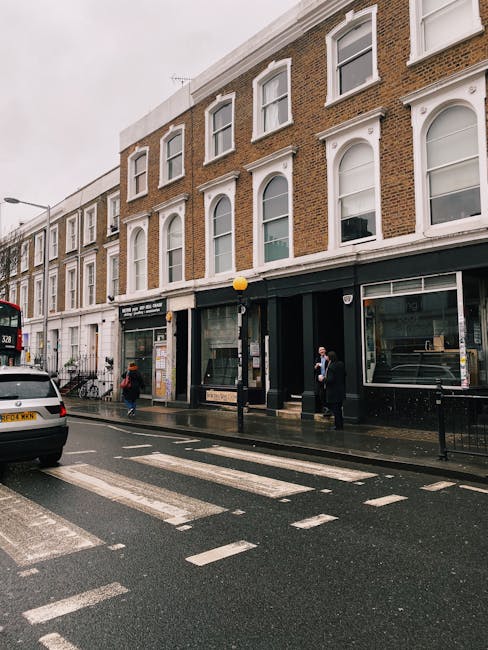
West Kensington flat conversions can be charming, awkward, and a little bit chaotic all at once. One minute you are looking at period details and clever layouts; the next, you are staring at a narrow stairwell, a tight communal hallway, and a pile of rubbish that simply will not move itself. That is where rubbish removal access problems in West Kensington flat conversions become the real issue. Not the waste itself. The access.
In practical terms, access problems shape everything: how quickly waste can be collected, how much labour is needed, whether bulky items can leave safely, and even whether a job is possible without disturbing neighbours or breaching building rules. This guide breaks down the common bottlenecks, how professional rubbish removal usually works in converted flats, and what you can do to make the whole process smoother. If you manage a flat, live in one, or handle properties professionally, it will save you a fair bit of stress.
- Why access problems matter
- How rubbish removal works in flat conversions
- Key benefits and practical advantages
- Who this is for and when it makes sense
- Step-by-step guidance
- Expert tips for better results
- Common mistakes to avoid
- Tools, resources and recommendations
- Law, compliance, standards, or best practice
- Options, methods, or comparison table
- Case study or real-world example
- Practical checklist
- Conclusion
- Frequently asked questions
Why Rubbish removal access problems in West Kensington flat conversions Matters
Flat conversions in West Kensington often bring together old building bones and modern living needs. That can mean long corridors, split-level staircases, shared entrances, basement units, awkward front steps, and no lift at all. Lovely to live in? Often yes. Easy to clear waste from? Not always.
Access problems matter because rubbish removal is not just about lifting things into a truck. It is about the path from the room to the street. If that path is tight, blocked, shared, or fragile, the job becomes slower and riskier. A mattress might look simple until you realise it has to be turned sideways on a staircase with a sharp landing and a banister you really do not want scratched. Truth be told, that is where most of the frustration sits.
For residents, the consequences can be very real:
- higher labour time and more coordination
- risk of damage to walls, floors, and communal areas
- difficulty moving bulky items from upper floors
- complaints from neighbours if hallways are obstructed
- missed collection windows when access was not checked properly
For landlords and agents, access issues can also affect turnaround times between tenancies. A flat sitting half-cleared is not only inconvenient; it can delay cleaning, decorating, and new occupancy. If you manage properties locally, a useful companion read is affordable waste removal for landlords and agents, which looks at planning clearance around tenant changeovers.
West Kensington itself adds another layer. W14 properties can sit on busy roads, in older conversions, or in mixed-use blocks where parking and loading are limited. So the access problem is rarely just "inside the building". It often starts at the kerb and continues all the way to the front door.
How Rubbish removal access problems in West Kensington flat conversions Works
In a normal house clearance, a team arrives, loads from the ground floor, and works outward. In a flat conversion, the process is more layered. The removal team usually needs to assess the route first: stairs, doorway widths, communal areas, parking, loading space, lifts if any, and any protection needed for surfaces.
Here is the simple version. Access problems are usually handled by adjusting one or more of these variables:
- Item size - bulky furniture may need to be dismantled before removal.
- Labour planning - more people may be needed for carrying and manoeuvring.
- Timing - quieter times can reduce hallway disruption and parking conflicts.
- Vehicle positioning - the truck may need to be close to the entrance for quicker loading.
- Protection measures - floor covers, padding, and careful handling reduce damage.
It is not unusual for a team to quote differently once they know the property layout. That is not a trick; it is how jobs are made workable. A "simple" sofa removal from a first-floor conversion can turn into a two-person carry with stair protection and a careful angle through a narrow landing. If you want a better sense of how different clearance services fit together, the site's services overview is a useful starting point.
There are a few access types that come up again and again in West Kensington:
- Shared stairwells with tight corners and little turning room
- Basement or lower-ground flats where steps are steep and lighting is poor
- Converted townhouses where rooms are compact and hallways narrow
- Upper-floor units without a lift, especially with heavy furniture
- Rear access only arrangements that require passing through communal spaces
Some jobs are straightforward once the route is clear. Others need a bit of creative problem-solving. Not glamorous, but that is the reality.
Key Benefits and Practical Advantages
Getting the access plan right is not just about avoiding headaches. It changes the quality of the whole clearance. A well-organised rubbish removal visit can feel almost calm. Almost. The benefit is that the team spends less time improvising and more time clearing efficiently.
Here are the main advantages:
- Less damage risk - careful route planning protects paintwork, bannisters, doors, and shared flooring.
- Faster removal - fewer delays from blocked walkways or unexpected obstacles.
- Better neighbour relations - less noise, less disruption, less time in communal areas.
- Cleaner handover - especially useful for landlords, agents, and sellers preparing a flat.
- More accurate pricing - once the access is known, the quote is usually more realistic.
One practical but often overlooked benefit is that access planning helps you decide whether a job should be split across multiple visits. For example, a renovation clear-out may be easier if builders' waste goes first, then furniture, then white goods. That can keep the flat safer and more usable during the process.
If your waste includes broken units, plasterboard, timber, or packaging from a refurbishment, it may help to look at builders waste disposal in West Kensington. For old couches, wardrobes, and tables, furniture removal is usually the better fit, especially where carrying space is limited.
Expert summary: the easier you make the access, the more predictable the job becomes. Predictability is what keeps a clearance efficient, safe, and less expensive than a last-minute scramble.
Who This Is For and When It Makes Sense
This topic matters to more people than you might first think. It is not just for people in the middle of a renovation. In West Kensington, flat conversion access issues affect all sorts of everyday situations.
- Private residents clearing bulky furniture, general clutter, or appliance waste
- Landlords preparing converted flats for incoming tenants
- Letting agents handling end-of-tenancy clearances in busy blocks
- Builders and tradespeople dealing with renovation debris in older conversions
- Home movers trying to clear unwanted items before sale or completion
- Office or mixed-use property managers where the flat conversion shares access with other premises
It makes sense to plan for professional rubbish removal when the waste is too bulky for normal household handling, when the access route is awkward, or when the job needs to be completed quickly and tidily. You know the sort of thing: the sofa that will not fit round the landing, the washing machine that is far too heavy for one person, or the loft of old belongings that somehow multiplied over the years.
For people comparing services, the local same-day waste clearance near West Kensington Station article gives a good sense of how time-sensitive collection can be handled in the area.
This is also useful if you are not sure whether you need a full clearance or a lighter collection. Sometimes a small, targeted pickup is enough. Other times, access constraints mean it is smarter to arrange a broader waste clearance visit rather than drip-feeding items out one by one.
Step-by-Step Guidance
If you want to avoid the usual access snags, a proper plan helps a lot. Nothing fancy. Just clear steps and a bit of forethought. Here is the approach that tends to work best in West Kensington flat conversions.
- Walk the route from room to vehicle. Check the width of hallways, stair turns, lobby spaces, and front steps. If the item cannot turn comfortably, it may need dismantling.
- Measure the awkward bits. Door frames, banisters, ceiling height on stairwells, and tight landings matter more than people expect.
- Identify shared spaces. In conversions, communal corridors and entrances may need extra care or neighbour consideration.
- Separate waste by type. Furniture, mixed rubbish, white goods, and building debris are not always handled the same way.
- Choose the right time slot. Daytime access can help with parking, but quieter periods may be better for communal blocks. It depends on the building, frankly.
- Clear the route in advance. Move small items, shoes, bins, pushchairs, and anything else that narrows the passage.
- Protect surfaces. Use covers or mats where needed, especially on polished wood, stone stairs, or freshly painted walls.
- Confirm parking and loading. If a van cannot stop nearby, the job becomes slower and may need extra manpower.
One small but useful habit is to take photos of the access route before the appointment. Not because anyone needs a magazine spread of your staircase, but because it makes the quote and job planning far more accurate. A quick photo of the front entrance, stairwell, or basement access can prevent a lot of guesswork.
If you are working through a bigger clear-out, the broader waste clearance page is a handy match for mixed household contents, while domestic waste collection in West Kensington is useful for lighter household loads.
Expert Tips for Better Results
Access issues are easier to manage when you think like the crew doing the lifting. Their priority is usually safe movement, efficient loading, and avoiding damage. Yours should be the same. That overlap helps everyone.
- Break down what you can. Unscrew bed frames, remove table legs, detach cupboard doors if sensible. Smaller pieces are easier to turn on staircases.
- Keep one clear lane. Even a narrow conversion can work if the route is free of loose bags, boxes, and clutter.
- Label items that are staying. In shared flats, it is surprisingly easy for a pile of "keep" items to look like rubbish. Been there, seen that.
- Tell the team about any building rules. Some blocks have strict loading windows, porter instructions, or lift booking requirements.
- Check weight before you lift. Old appliances and water-damaged furniture are often heavier than they look.
- Be realistic about timing. A tight stairwell can turn a quick job into a careful one. That is not a failure, just how the physics works.
Another good rule: if you suspect an item will snag on a corner, it probably will. That sounds a bit obvious, but in the field it saves more time than any clever workaround. The right angle, the right grip, the right pause before the turn - small things, big difference.
For anyone comparing broader local waste support, the article on rubbish collection on North End Road and Lillie Road is a helpful local read, especially if your building sits near those busier routes.

Common Mistakes to Avoid
Most access problems are not dramatic. They are little missed details that stack up. A few can turn a tidy pickup into a messy half-day. To be fair, that is usually where people get caught out.
- Not checking stair width properly before booking bulky item removal
- Assuming a lift can be used when the building rules or size of the item make that impossible
- Leaving waste in the wrong place and expecting it to "just work out"
- Forgetting about parking restrictions or loading limitations on the road
- Mixing different waste streams and creating sorting problems on the day
- Underestimating the effect of communal spaces on speed and neighbour sensitivity
- Choosing the cheapest quote without checking whether access has been properly factored in
One of the biggest errors is treating access as an afterthought. It is not. In many converted flats, access is the job. The rubbish is just the visible part.
For landlords and homeowners trying to avoid surprise add-ons, hidden rubbish removal fees to avoid in West Kensington is worth a look. Likewise, if you are expecting a large amount of waste, common bulk rubbish removal problems covers some of the classic traps.
Tools, Resources and Recommendations
You do not need a van full of specialist gear to handle access problems well, but a few practical tools and habits make a big difference. Think basic, not fancy.
| Tool or resource | What it helps with | Why it matters in flat conversions |
|---|---|---|
| Tape measure | Checking doors, landings, and stair corners | Prevents guesswork on whether furniture can pass through |
| Phone camera | Recording access routes and awkward points | Helps describe the job clearly before the team arrives |
| Furniture blankets or protectors | Reducing scratches and wall contact | Very useful in older conversions with painted stairwells |
| Basic screwdriver or Allen key set | Dismantling beds, desks, and flat-pack furniture | Smaller loads are easier to move through tight spaces |
| Clear access notes | Sharing building instructions and parking details | Stops the day from starting with confusion at the front door |
In terms of reading and planning, the following local pages are especially useful: pricing and quotes if you want to understand how jobs are estimated, and insurance and safety if you are thinking about damage protection and handling standards.
If sustainability matters to you - and it should, really - the recycling and sustainability page is useful for understanding what responsible disposal looks like in practice. That becomes especially relevant when a conversion clear-out includes mixed contents, white goods, and reusable furniture.
Law, Compliance, Standards, or Best Practice
Whenever waste is being removed from a flat conversion, the basics of lawful disposal and safe handling still apply. You do not need a lecture, just a clear framework. Waste should be carried by a properly licensed operator, and materials should be handled and disposed of in line with accepted UK best practice. That is especially important when a building has shared access, because poor handling can affect more than one household.
Common compliance and best-practice points include:
- Using a registered waste carrier where required
- Keeping waste streams sensible so recyclable and non-recyclable materials are handled appropriately
- Avoiding obstruction in communal areas for fire and safety reasons
- Protecting shared property during removal
- Following building rules around lifts, loading bays, and access times
It is also worth understanding that building managers or landlords may have their own procedures. Some ask for booking notice, some require proof of insurance, and some are simply very particular about what happens in shared hallways. Fair enough. Those rules are there for a reason.
For more on trust and operational standards, the site's waste carrier licence and compliance page is relevant, as is the about us page if you want to understand the service ethos behind the work.
You can also review the company policies on terms and conditions, payment and security, privacy policy, and accessibility statement where relevant. These may sound like admin pages, but in practice they help set expectations. Clear expectations reduce friction. And in flat conversions, friction is already everywhere, frankly.
Options, Methods, or Comparison Table
There is more than one way to handle waste in a converted flat, but not every option suits every access problem. Some methods work well for light household rubbish; others are far better for heavy, bulky, or mixed waste. Here is a straightforward comparison.
| Method | Best for | Access challenge level | Notes |
|---|---|---|---|
| Small-scale manual carry-out | Bags, light clutter, compact items | Low to moderate | Works if the stairwell is clear and the load is manageable |
| Two-person or multi-person carry | Large furniture, white goods, awkward corners | Moderate to high | Usually the safest choice for narrow conversion staircases |
| Dismantling before removal | Wardrobes, beds, shelving, desks | Moderate | Often the difference between possible and impossible |
| Phased clearance | Renovation jobs, end-of-tenancy clear-outs | Moderate | Useful when access is tight and the volume is high |
| Full waste clearance visit | Mixed loads, multiple item types, heavy clutter | Moderate to high | Good when the flat needs resetting quickly and neatly |
The best method is rarely the one that sounds simplest. It is the one that fits the building. A first-floor flat with a broad landing might handle a quick carry-out just fine. A basement conversion with a tight turn and a low ceiling? Not so much.
For item-specific work, you may also find white goods and appliance disposal useful when fridges, washing machines, or cookers need careful handling. If the clear-out is more about stored contents than a specific item, house clearance is often the better match.
Case Study or Real-World Example
Here is a realistic example from the kind of property people often deal with in West Kensington. A landlord inherits a top-floor converted flat in a Victorian terrace. The flat has a narrow staircase, a shared entrance, and no lift. Inside, there is a broken sofa, an old mattress, a wardrobe that cannot fit through the landing unless it is dismantled, and a few bags of mixed rubbish left after a tenant move-out.
At first glance, it looks like a simple clearance. But the access changes the plan. The sofa needs two people and careful turning at the stair bend. The wardrobe is dismantled on site. Bags are carried first so the route stays clearer. The team has to work around a neighbour coming and going through the communal hall. Nothing wild. Just a bit of coordination.
The job ends up going smoothly because the access was checked in advance. The landlord took a couple of photos, noted the staircase width, and mentioned that parking on the street was limited. That small bit of prep meant the crew arrived ready with the right number of people and the right expectations. No scrambling, no awkward surprises, no scratched paintwork, and no "we'll have to come back another day" moment. Which, let's be honest, is the sort of thing nobody wants.
If the flat had also included renovation debris, the job could have been split into a mixed clearance and a builders waste pickup. That is where accurate description matters. One vague message saying "there's a lot of stuff" is rarely enough.
Practical Checklist
Use this checklist before arranging rubbish removal from a West Kensington flat conversion. It is simple, but it catches a surprising number of problems.
- Measure the narrowest doorway, staircase turn, or corridor section
- Check whether any item needs dismantling before removal
- Confirm if there is a lift and whether it can be used
- Note any parking or loading restrictions near the property
- Tell the team about shared entrances or communal hallways
- Separate furniture, white goods, and builders waste where possible
- Protect floors, walls, and stair edges if the route is tight
- Move bins, shoes, bags, and loose items out of the way
- Check whether building management has access rules
- Take photos if the route is unusually awkward
Quick takeaway: if you can describe the route clearly, the removal team can usually plan the job properly. That single habit solves a lot more than people expect.
Conclusion
Rubbish removal access problems in West Kensington flat conversions are really about planning, not panic. Once you understand the building layout, the type of waste, and the practical limits of the access route, the whole task becomes much more manageable. A tight staircase is not the end of the world. It just needs the right approach.
The biggest wins come from simple habits: measure first, communicate clearly, protect shared areas, and match the clearance method to the property. Whether you are a tenant, landlord, agent, or homeowner, that approach saves time, reduces damage risk, and makes the job less disruptive for everyone involved.
And yes, some conversion staircases will always be a bit awkward. That is life in London. But awkward does not have to mean difficult.
If you are planning a clearance and want a smoother, more predictable result, it pays to compare options carefully and choose a team that understands access as well as waste.
Get a free quote today and see how much you can save.
Even a messy flat can be turned around neatly with the right plan, and that is usually a much better feeling than wrestling with it alone.

 Tipper Van - Rubbish Removal and Garden Waste Disposal Prices in West Kensington, W14
 Luton Van - Rubbish Removal and Garden Waste Disposal Prices in West Kensington, W14